
Dordogne Travel Guide🍄🏰
The Dordogne is one of the most atmospheric and authentic regions in France, known for its medieval villages, dramatic castles, prehistoric heritage, and exceptional cuisine 😊

Christophe
Last Update 10 ay önce
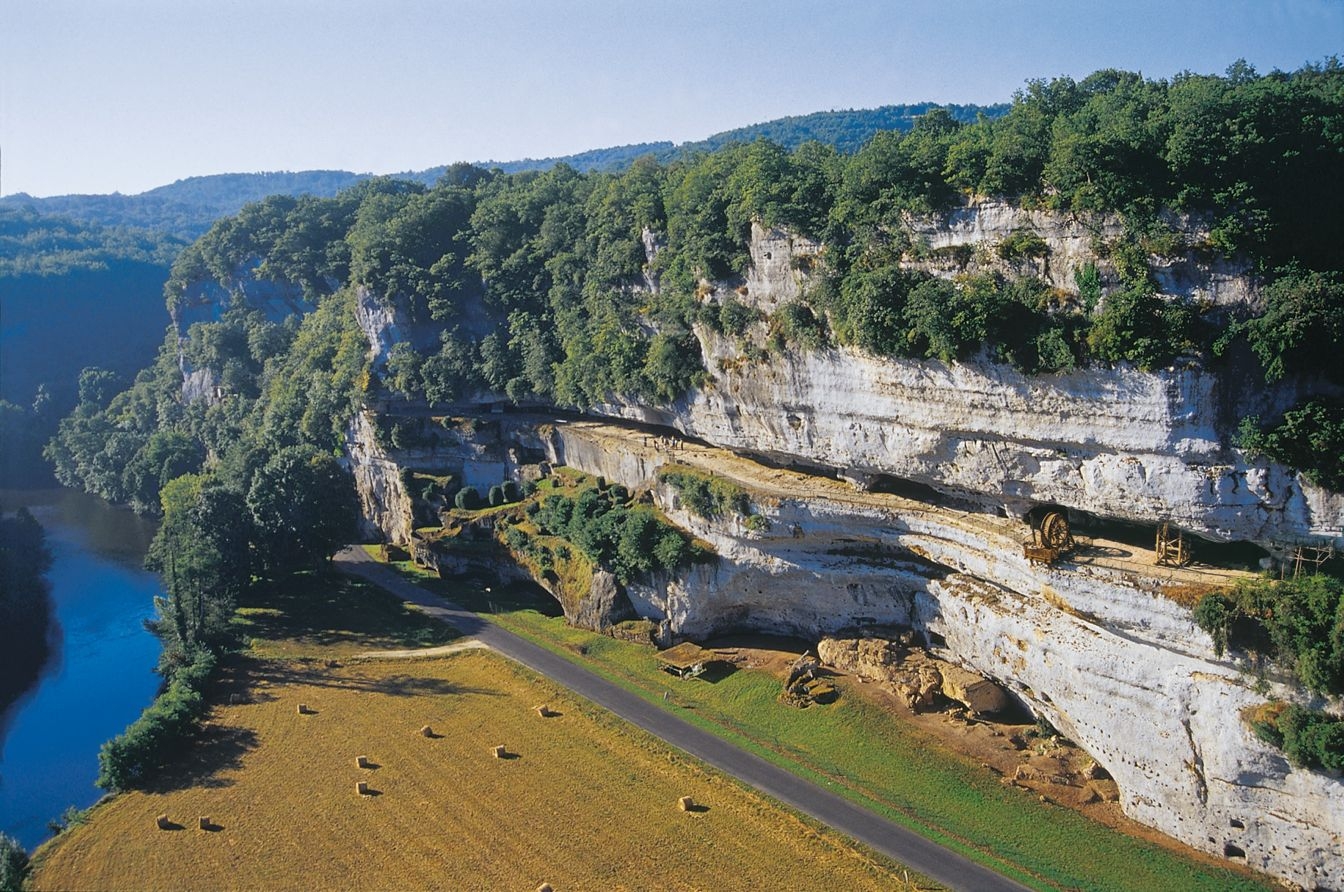
📍 Top Destinations & Attractions in the Dordogne
The Dordogne is rich in heritage and picturesque landscapes, with highlights including:
- Sarlat-la-Canéda – Perfectly preserved medieval center and vibrant markets
- Lascaux Caves – World-famous prehistoric cave paintings (replica site)
- La Roque-Gageac – Dramatic cliffside village along the Dordogne River
- Beynac-et-Cazenac – Medieval village dominated by its fortress
- Château de Castelnaud – One of the region’s most impressive castles
Together, these sites reflect the Dordogne’s long and layered history, from prehistory to the Middle Ages.
🗓️ Best Time to Visit the Dordogne
The Dordogne is best enjoyed in mild seasons:
- April to June – Green landscapes, comfortable temperatures, fewer crowds 🌸
- July to August – Lively villages and markets, peak season ☀️
- September to October – Harvest season, gastronomy, warm light 🍂
- Winter – Quiet villages and a slower rhythm, limited site access
Spring and early autumn offer the best balance of weather and visitor comfort.
⏱️ Recommended Tour Duration
To explore the Dordogne without rushing:
- 1 day – Sarlat and nearby villages
- 2–3 days – Villages, castles, and prehistoric sites
- 4–6 days – In-depth discovery with food, markets, and countryside
Multi-day itineraries are strongly recommended due to travel distances between sites.
🍽️ Local Specialties & Gastronomy
The Dordogne is one of France’s most celebrated food regions:
- Foie gras and duck specialties 🍗
- Truffles (in season) 🍄
- Walnuts and walnut oil
- Traditional market cuisine
- Rustic regional desserts
Food experiences are deeply tied to local traditions and seasonal rhythms.
🏰 Castles, Villages & Prehistoric Heritage
Few regions offer such a dense concentration of history:
- Medieval castles overlooking river valleys
- Fortified villages perched on cliffs
- Prehistoric sites dating back over 17,000 years
- Romanesque churches and abbeys
This combination makes the Dordogne unique in France.
Day 1: Sarlat historic center and local market
Day 2: Dordogne River villages (La Roque-Gageac, Beynac)
Day 3: Lascaux caves and countryside
Day 4: Castles and scenic drives
Optional: Food-focused or truffle-themed experiences
Itineraries can be adapted based on interests and pace.
💶 Budget Expectations
Travel costs depend on:
- Shared vs. private tours
- Guided visits and entrance fees
- Accommodation category
- Seasonality
The Dordogne offers excellent value for longer stays.
♿ Accessibility Notes
- Cobblestones, hills, and steps are common
- Some caves and castles have limited access
- Private tours allow easier adaptation
Please advise accessibility needs in advance.
🌤️ Weather Expectations
- Warm summers and mild spring/autumn
- Occasional rain
- Cooler mornings in shoulder seasons
Comfortable walking shoes and layers are recommended.
🌟 Why Explore the Dordogne?
The Dordogne is a journey through time—where prehistoric caves, medieval castles, and living culinary traditions coexist in a peaceful rural landscape. It’s an ideal destination for travelers seeking authenticity, depth, and memorable experiences 🏰🇫🇷
This article is part of the France Travel Guide and is updated regularly to reflect current travel conditions and regional highlights.